

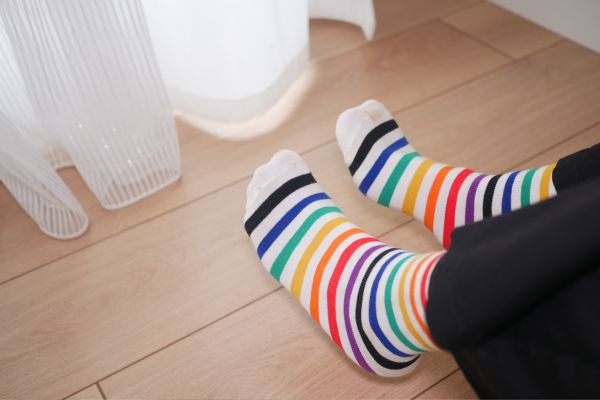
When people talk about running gear, shoes usually take center stage. Watches, jackets, hydration belts, and recovery tools get plenty of attention too. Socks, meanwhile, are often treated like an afterthought. That is a mistake. The right pair can make long miles feel smoother, reduce irritation, manage moisture, and help your feet stay comfortable when the pace picks up.
Understanding the Types of socks for running is useful for beginners and experienced runners alike. Not every run asks for the same setup. A winter morning jog, a summer speed session, and a muddy trail race all place different demands on your feet. Once you know how running socks are designed, choosing the right pair becomes much easier.
Why Running Socks Matter More Than People Think
Feet absorb impact thousands of times during a run. They heat up, sweat, swell slightly, and move constantly inside the shoe. Ordinary cotton socks often trap moisture and bunch in the wrong places, which can lead to friction and discomfort.
Running socks are made to solve those problems. Many use moisture-wicking fibers, targeted cushioning, supportive arch zones, seamless toes, and shape-specific fits. These details may seem small at first, but over time they make a real difference.
A runner who ignores socks might finish a run annoyed. A runner who finds the right pair usually forgets about them entirely—which is exactly the point.
No-Show Running Socks
No-show socks sit below the ankle line and are popular for road running, especially in warm weather. They create a light, minimal feel and pair well with low-cut running shoes.
Many runners like them because they stay discreet and cool. However, quality matters here. Cheap no-show socks can slip into the shoe mid-run, which is frustrating enough to ruin a good session.
Look for silicone heel grips, snug heel cups, and elastic arch bands if you prefer this style. When done well, no-show socks feel almost invisible.
Ankle Running Socks
Ankle socks rise slightly above the shoe collar and cover the ankle bones. This is one of the most versatile options for runners.
They offer a bit more protection than no-show socks without feeling bulky. If your shoes rub near the heel collar or ankle area, this extra coverage can help. Many runners use ankle socks as their everyday choice because they balance comfort, breathability, and practicality.
For mixed training weeks—easy runs, intervals, gym sessions—ankle socks are hard to beat.
Quarter-Length Running Socks
Quarter socks extend above the ankle and lower calf area. They are especially useful when you want more protection from trail debris, gravel, dust, or rough shoe collars.
Trail runners often appreciate this style because it creates a barrier between skin and the environment. On windy or cool mornings, quarter socks can also feel a little warmer without becoming heavy.
They are a smart middle ground for runners who dislike full crew socks but want more than ankle coverage.
Crew Running Socks
Crew socks rise to mid-calf and have become popular again, especially among distance runners and trail athletes. They offer coverage, mild warmth, and protection from brush or scratches on uneven terrain.
Some runners choose crew socks for recovery jogs or winter training. Others simply like the feel and look. Style aside, crew socks can also help hold light compression structures or extra padding zones.
If you run in colder months or spend time on rugged paths, crew socks deserve attention.
Compression Running Socks
Compression socks apply gentle pressure to the foot, ankle, and calf. They are often used during long runs, races, travel, or recovery periods.
Some runners say compression helps reduce leg fatigue or gives a more supported sensation. Others mainly use them after hard efforts rather than during the run itself. Research on performance benefits is mixed, but comfort and personal preference matter here.
They are especially common among marathoners, endurance runners, and people who spend long hours standing or traveling between events.
Lightweight Running Socks
Lightweight socks use thinner fabrics with minimal cushioning. They are popular for tempo runs, races, hot weather, and runners who prefer a close connection with the shoe.
These socks dry quickly and often feel fast, though “fast” is partly psychological. Still, many runners enjoy the stripped-down sensation. If your shoes already have enough cushioning, a thin sock can complement that setup nicely.
Just make sure the fit is excellent. Thin socks reveal poor shoe fit faster than padded ones.
Cushioned Running Socks
Cushioned socks add extra padding in high-impact areas such as the heel, forefoot, or toes. They are ideal for longer runs, recovery days, or runners who like a softer feel.
This does not mean they need to be thick and clumsy. Many modern cushioned socks remain breathable while protecting pressure points.
If your feet feel beat up after long sessions, or if you run often on hard pavement, added cushioning can be surprisingly helpful.
Moisture-Wicking Performance Socks
This category is less about length and more about material. Moisture-wicking socks are designed to pull sweat away from the skin and dry quickly.
Synthetic blends such as polyester, nylon, elastane, and technical fibers are common. Merino wool is another favorite because it manages moisture well and resists odor naturally.
For runners in humid climates or anyone prone to blisters, moisture control is one of the most valuable features in any sock.
Toe Running Socks
Toe socks separate each toe into its own sleeve. They look unusual at first, but many runners swear by them.
The idea is simple: reduce skin-on-skin friction between toes and allow natural toe splay. This can be helpful for runners who struggle with blisters between toes or cramped forefoot space.
They do take a little patience to put on. Once adjusted, though, they can become a favorite for long-distance efforts.
Wool Running Socks for Cold Weather
Wool socks, especially merino wool versions, are excellent for winter running. They insulate even when damp, regulate temperature well, and feel softer than old-fashioned wool socks people may remember.
These are ideal for cold roads, frosty mornings, and wet conditions where ordinary cotton would become heavy and uncomfortable.
Many runners are surprised to learn wool is not just for hiking boots. In technical form, it performs beautifully on runs.
Trail Running Socks
Trail-specific socks are designed for rougher terrain. They often include reinforced heels, extra toe durability, snug arch support, and lengths that block dirt or plant matter.
Because trails involve climbing, descending, and lateral movement, secure fit becomes especially important. A sock that twists inside the shoe on rocky terrain is more than annoying—it can become painful quickly.
For anyone regularly leaving the pavement, trail socks are worth considering.
How to Choose the Right Running Sock
Think first about weather, distance, terrain, and comfort preferences. Hot summer runs may call for thin ankle socks. Winter mileage may feel better in crew-length merino pairs. Long runs often benefit from cushioning, while races may suit lighter options.
Fit should always come before trends. A great sock that slides, bunches, or squeezes too tightly is not great for you.
It is also normal to own several types. Most experienced runners rotate socks the same way they rotate shoes.
Common Mistakes Runners Make With Socks
One common mistake is choosing cotton for serious runs. Cotton absorbs moisture and tends to stay wet, which increases friction.
Another mistake is wearing socks that are too big. Extra fabric folds and moves, creating hotspots. Too small, and the sock may feel restrictive.
Some runners also ignore worn-out pairs for too long. When elasticity fades and padding flattens, comfort usually goes with it.
Conclusion
Learning the Types of socks for running can improve comfort more than many runners expect. From no-show road socks to cushioned long-run pairs, from compression styles to trail-ready crew socks, each option serves a purpose.
There is no universal best choice. The right sock depends on your run, your shoe, the weather, and how your feet respond over time. That may sound simple, but it is also freeing. You do not need the perfect sock for everyone—only the one that disappears once the run begins.
