

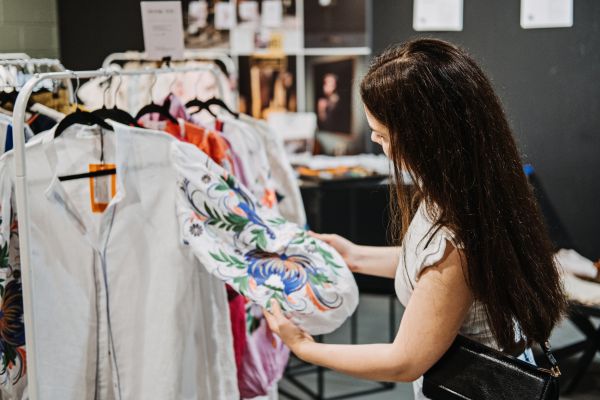
The fashion industry has changed dramatically over the last decade, but not always in ways consumers feel good about. Fast fashion made clothing cheaper and trend cycles faster, yet it also exposed uncomfortable truths about waste, labor practices, and overproduction. People began asking harder questions. Who made these clothes? How long are they supposed to last? Why does a five-dollar shirt exist in the first place?
That shift in awareness helped ethical fashion move from a niche conversation into a mainstream one. Today, shoppers are paying closer attention not only to style, but to transparency, sustainability, worker treatment, and environmental impact. At the same time, ethical fashion remains complicated. Some brands are genuinely trying to improve industry standards, while others lean heavily on vague marketing language that sounds responsible without revealing much substance.
An honest ethical fashion brands review therefore requires nuance. No company is perfect. Sustainability itself is messy, layered, and constantly evolving. Still, certain brands consistently stand out for making meaningful efforts rather than simply following trends.
What Ethical Fashion Really Means
The phrase “ethical fashion” often gets used broadly, sometimes so broadly that it loses meaning altogether. In practice, ethical fashion can include fair wages, safe working conditions, environmentally conscious materials, transparent supply chains, reduced waste, and lower carbon impact.
Some brands focus primarily on labor ethics. Others emphasize recycled fabrics or slow production methods. A few attempt to address both.
This matters because ethical fashion isn’t one fixed standard. A company using organic cotton may still struggle with shipping emissions. Another brand might manufacture locally but use conventional fabrics. Consumers often expect perfection, but the reality is more gradual and imperfect.
That’s why thoughtful reviews matter more than simple labels.
Why Consumers Are Becoming More Selective
For years, fashion shopping centered almost entirely around price and appearance. Now many consumers are noticing the hidden cost behind ultra-cheap clothing. Documentary films, social media discussions, and investigative reporting exposed conditions inside garment factories and the environmental damage caused by textile waste.
People started rethinking their buying habits.
Interestingly, the shift hasn’t necessarily led everyone to buy expensive designer pieces. Instead, many shoppers are simply becoming more intentional. They want fewer items that last longer. They want clothing that feels aligned with their values, even if they can’t afford a fully sustainable wardrobe.
That practical middle ground has become important in modern ethical fashion conversations.
Patagonia and the Longstanding Sustainability Model
Few companies appear in ethical fashion brands review discussions as consistently as Patagonia. The outdoor clothing brand built its reputation not only on durable products, but on environmental activism that feels integrated into its identity rather than added later for image purposes.
One reason people continue respecting the brand is consistency. Patagonia openly discusses the limitations of manufacturing while still investing heavily in recycled materials, repair programs, and supply chain transparency.
The company’s “Worn Wear” initiative, which encourages repairing old clothing instead of replacing it, reflects a philosophy that feels somewhat unusual in modern retail. Most fashion companies depend on constant consumption. Patagonia occasionally seems comfortable telling customers to buy less.
Of course, the brand still operates within global capitalism and mass production. Critics occasionally point to pricing accessibility and manufacturing complexities. But compared to much of the industry, Patagonia generally remains one of the stronger examples of long-term ethical commitment.
Reformation and the Modern Fashion Appeal
Reformation became popular partly because it proved sustainable fashion didn’t have to abandon trend-conscious aesthetics. For years, ethical clothing carried a reputation for looking overly minimal, plain, or impractical. Reformation changed that perception by creating clothing that felt contemporary and wearable.
The brand publishes environmental impact reports for many products, detailing water usage, carbon emissions, and material sourcing. That level of transparency helped attract younger consumers who care about sustainability but still enjoy fashion itself.
Still, Reformation occasionally receives criticism regarding pricing and scalability. As ethical brands grow rapidly, maintaining transparency becomes harder. Consumers increasingly expect companies to back up sustainability claims with measurable data rather than carefully crafted branding language.
Even so, Reformation helped push ethical fashion into mainstream style conversations in a meaningful way.
Everlane and the Transparency Conversation
Everlane built much of its identity around what it calls “radical transparency.” The company gained attention by explaining factory conditions, production costs, and pricing structures directly to customers.
At first, this approach felt refreshingly honest compared to traditional retail secrecy.
Everlane’s clean basics and timeless wardrobe staples also aligned naturally with the growing interest in minimalist consumption. Instead of encouraging endless trend shopping, the brand focused on versatile everyday pieces designed for repeated wear.
However, ethical reputation can be fragile. Over time, Everlane faced criticism related to labor concerns and internal workplace controversies, which complicated its image. This reflects an important reality within ethical fashion: consumers increasingly examine not just products, but company culture itself.
The brand still plays an influential role in discussions about transparency, though shoppers now tend to approach corporate sustainability claims with more caution overall.
People Tree and the Slow Fashion Philosophy
People Tree represents a different side of ethical fashion — one rooted more deeply in slow production and fair trade practices than trend cycles.
The company has long worked with artisan groups and small-scale producers, focusing heavily on handmade processes and natural materials. Unlike some newer sustainable brands that balance ethics with rapid trend adaptation, People Tree embraces a slower rhythm entirely.
That slower approach appeals strongly to consumers who want clothing connected to craftsmanship rather than mass manufacturing.
There’s something refreshing about garments designed with longevity in mind instead of temporary relevance. In many ways, brands like People Tree remind shoppers that ethical fashion isn’t only about sustainability metrics. It’s also about changing our relationship with clothing itself.
Girlfriend Collective and Inclusive Sustainability
Girlfriend Collective gained popularity through activewear made from recycled materials, including plastic bottles and fishing nets. The brand’s approach feels modern, approachable, and notably inclusive.
One thing consumers frequently appreciate is the company’s extended sizing and realistic representation in campaigns. Ethical fashion has sometimes struggled with accessibility, both financially and visually. Brands focusing only on limited body types or luxury pricing often unintentionally exclude large groups of consumers.
Girlfriend Collective helped broaden the conversation by combining sustainability with inclusivity in a more visible way.
Its leggings and basics are especially popular because they balance practicality with environmental awareness without feeling overly performative. That balance matters more than brands sometimes realize.
The Problem With Greenwashing
No ethical fashion brands review feels complete without discussing greenwashing. As sustainability became commercially valuable, many brands started using vague language like “eco-friendly,” “conscious,” or “green” without meaningful accountability behind those claims.
Sometimes a company launches one sustainable collection while continuing massive overproduction elsewhere. Other times, brands highlight recycled packaging while avoiding conversations about labor conditions or waste.
Consumers have become more skeptical for good reason.
Transparency now matters more than polished messaging. Detailed sourcing information, third-party certifications, repair programs, and measurable goals generally carry more weight than broad promises.
That doesn’t mean shoppers need to investigate every purchase obsessively. But asking basic questions about materials, production, and longevity has become increasingly important.
Ethical Fashion Is Also About Buying Less
One of the more uncomfortable truths about sustainable fashion is that the most ethical choice is often buying fewer clothes overall.
Even responsibly made garments still require resources, transportation, water, and labor. Ethical consumption therefore isn’t only about switching brands. It’s also about slowing down impulse purchasing habits shaped by fast fashion culture.
Many consumers eventually realize that building a smaller wardrobe of well-loved pieces feels surprisingly freeing. There’s less clutter, less waste, and often less daily stress around style choices.
In that sense, ethical fashion becomes less about perfection and more about mindfulness.
Conclusion
The rise of ethical fashion reflects a broader cultural shift toward awareness, responsibility, and intentional living. Consumers are no longer judging clothing solely by appearance or price tags. Increasingly, they want to understand the story behind what they wear.
Brands like Patagonia, Reformation, Everlane, People Tree, and Girlfriend Collective each contribute differently to that evolving conversation. Some excel in transparency, others in sustainability, inclusivity, or slow production practices. None are flawless, but many are helping push the industry toward greater accountability.
Ultimately, ethical fashion is less about achieving moral perfection and more about making thoughtful choices where possible. Small shifts in buying habits, curiosity about production practices, and a willingness to value longevity over constant consumption can collectively shape a healthier relationship with clothing — both personally and globally.
