

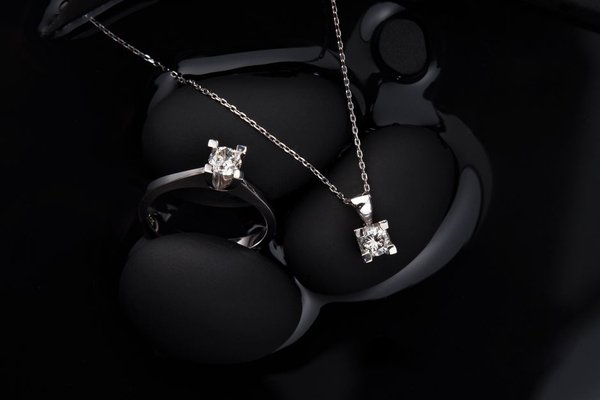
Two gold-colored necklaces can look almost identical in a shop window, yet one may be designed for decades of wear while the other is intended as an affordable style accessory. The difference is not simply the price tag. Understanding fine jewelry vs fashion jewelry means looking beneath the surface at the metals, stones, construction, repair options, and way each piece fits your life.
Fine Jewelry vs Fashion Jewelry at a Glance
Fine jewelry generally uses precious metals such as gold, platinum, or sterling silver, often paired with natural or laboratory-grown gemstones. Fashion jewelry, also called costume jewelry, commonly uses brass, zinc alloys, other base metals, glass, resin, or imitation stones. These are broad retail categories rather than guarantees of craftsmanship.
The practical distinction is what remains if a surface finish wears away. A 14-karat gold ring contains gold throughout its alloy. A gold-plated brass ring has a thin gold layer over another metal. Both can look attractive when new, but they age differently.
What the Jewelry Materials Actually Tell You
Precious metals and metal coatings
The fine jewelry meaning starts with the underlying material, not merely its color. Fourteen-karat gold contains 14 parts gold out of 24; 18-karat gold contains 18. Both are alloys because pure gold is relatively soft. Sterling silver is 92.5% silver and commonly carries a 925 mark. Platinum jewelry also comes in different purities.
Fashion pieces may feature gold-tone finishes or genuine gold plating over a less expensive core. Plating thickness and underlying metal affect how well the finish lasts. Gold vermeil has a sterling-silver base with a gold coating, so it sits in a useful middle ground: precious metal underneath, but a surface that can still wear. A description saying only “gold color” does not establish any gold content.
Gemstones, crystals, and imitation stones
Fine jewelry may contain diamonds, sapphires, emeralds, pearls, or other gemstones. Laboratory-grown diamonds are diamonds, not glass imitations, and can appear in fine jewelry. Fashion jewelry often uses cubic zirconia, rhinestones, glass, or decorative materials to achieve sparkle without the same material cost.
Real gemstones do not guarantee toughness. Pearls and some colored stones need more careful handling than diamonds or sapphires. The setting and overall jewelry quality matter just as much as a stone’s name.
Durability: What Happens After Repeated Wear?
Fine pieces often have an advantage in long-term serviceability. Solid precious-metal components can frequently be polished, resized, soldered, or repaired by a qualified jeweler, although delicate designs and certain stones may limit those options. They are not indestructible: gold scratches, silver can tarnish, and prongs can loosen.
Fashion jewelry varies enormously. A well-made stainless-steel chain may withstand daily handling better than a fragile fine chain, while inexpensive plating may fade where a pendant rubs against clothing. Adhesive-set stones can become loose, and some inexpensive components are difficult or uneconomical to repair.
Price, Value, and the Cost per Wear
Fine jewelry usually costs more because of precious-metal content, gemstones, labor, and sometimes brand premiums. It may retain recoverable material value, but retail jewelry is not a guaranteed investment. Resale offers can be far below the original price once markups and selling costs are considered.
Fashion jewelry makes experimenting easier. You can try oversized earrings or a seasonal color without committing a large budget. The trade-off is that replacing a worn piece repeatedly may eventually cost more than purchasing a durable staple.
Consider a simple scenario: you need small earrings for work five days a week but want a bold necklace for one evening event. Well-constructed precious-metal studs could justify a higher initial cost, while a fashion necklace may be entirely sensible for the occasional outing. Judge each purchase by expected use, not by which category sounds more luxurious.
Comfort, Skin Sensitivity, and Everyday Practicality
Skin sensitivity is another reason to read labels carefully. Some base-metal alloys contain nickel, which can trigger contact dermatitis in sensitive wearers. Yet the term “fine jewelry” is not an allergy guarantee either: certain gold alloys can also contain nickel. Ask for an exact metal breakdown when sensitivity matters.
How Care Requirements Compare
Keep both kinds of jewelry away from unnecessary moisture, perfume, household cleaners, and rough storage. Put pieces on after cosmetics have dried, and remove them before swimming, exercise, or cleaning. These habits are especially valuable for plated and glued components.
For many plain gold or platinum items, gentle cleaning with mild soap and water may be appropriate, followed by thorough drying. Do not assume that method is safe for every gemstone or setting. Pearls, porous stones, treated gems, and pieces with adhesives can require different care. Follow the maker’s guidance or ask a qualified jeweler.
Store fashion pieces separately so chains do not tangle and surfaces do not rub. Keep silver dry and use a suitable polishing method when tarnish appears. For guidance on specific finishes, explore gold-plated jewelry care before attempting aggressive cleaning.
A Better Way to Choose Between the Two
Instead of asking which category is best, decide what you need the piece to survive. For daily wear, prioritize sturdy findings, comfortable materials, secure stone settings, and realistic repair options. For a trend-led accessory, emphasize shape, color, and a price that feels reasonable for its expected lifespan.
Before checkout, look for precise descriptions such as “14K gold,” “925 sterling silver,” or “gold-plated brass.” Examine the clasp, the backs of earrings, and the points where stones meet their settings. If shopping online, check photographs of these details alongside the return policy.
Metal terminology can be confusing; a separate guide to gold vermeil vs gold plating can help distinguish coatings. And if you are choosing a lasting gemstone piece, learning about common gemstone settings can make inspection much easier.
Frequently Asked Questions
Is fashion jewelry the same as costume jewelry?
Usually, yes. The terms commonly refer to jewelry chosen primarily for decorative style and often made with non-precious materials. Some designer or vintage costume pieces are valuable, so the name alone does not determine price or collectability.
Can fashion jewelry last for years?
Yes. Longevity depends on construction, materials, plating, storage, and wear frequency. Some pieces stay attractive for years with careful use, while others deteriorate quickly. Inspect the actual item rather than relying on the category label.
Does fine jewelry always use natural diamonds?
No. Fine jewelry can feature colored gemstones, laboratory-grown diamonds, pearls, or no stones at all. The metal, workmanship, and truthful product description are central to evaluating the piece.
Is gold-plated jewelry considered fine jewelry?
It depends on the underlying metal and how a retailer defines the category. Gold-plated brass is typically marketed as fashion jewelry, while gold-plated sterling silver may be positioned as demi-fine. Plating does not turn the entire piece into solid gold.
Choosing Jewelry That Fits Your Life
The most useful distinction between fine jewelry and fashion jewelry is not prestige but purpose. Fine pieces often suit long-term staples, repairs, and meaningful gifts; fashion pieces offer flexibility and expressive looks at a lower entry cost. Check the actual materials, construction, and care needs, then choose the piece you will genuinely enjoy wearing.
