

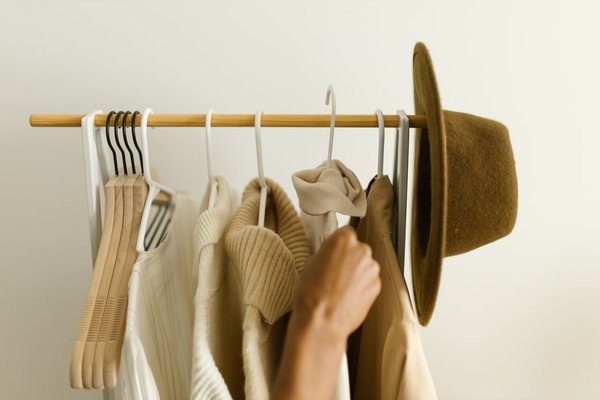
Building a capsule wardrobe can sound like a luxury project, especially when social media is filled with perfectly coordinated rails of premium basics. In reality, the whole point of a capsule wardrobe is to buy less, use more of what you own, and make getting dressed easier. You do not need a large shopping budget or an entirely new collection to make it work.
A successful capsule wardrobe on a budget begins with careful planning rather than spending. By reviewing your current clothes, identifying genuine gaps, and choosing versatile pieces, you can create a wardrobe that feels stylish without constantly buying something new. The process may take time, but a gradual approach often produces better results than an expensive one-day overhaul.
What Is a Capsule Wardrobe?
A capsule wardrobe is a carefully selected collection of clothes that work well together. It usually includes reliable basics, practical layers, a small number of statement pieces, and shoes that suit your everyday routine. Instead of owning many items that are difficult to coordinate, you keep a more focused selection that can create multiple outfits.
There is no fixed number of pieces that everyone must own. Your ideal wardrobe depends on your climate, lifestyle, workplace, personal style, and laundry routine. Someone who works in an office will need a different collection from someone who works from home or spends most days caring for children.
The most useful minimalist wardrobe tips are therefore flexible. Your capsule should support your real life rather than follow an arbitrary clothing limit.
Start With the Clothes You Already Own
The cheapest way to build a budget capsule wardrobe is to begin without shopping. Take everything out of your wardrobe and review each item honestly. Set aside the pieces you wear regularly, feel comfortable in, and can style in several ways.
Pay attention to repeated patterns. You may discover that you frequently choose straight-leg trousers, relaxed shirts, neutral knitwear, or simple dresses. These preferences reveal the foundation of your personal style and help you avoid buying clothes that look appealing in a shop but feel wrong once you bring them home.
Try on items you have not worn recently. Some may only need a different styling approach, a simple repair, or minor tailoring. Replacing a button, shortening a hem, or having a waistband adjusted can bring an overlooked piece back into regular use for much less than the cost of a replacement.
Plan Around Your Actual Lifestyle
A practical capsule wardrobe should reflect how you spend most of your week. Before creating a shopping list, consider your usual activities and the types of outfits they require.
If most of your time is divided between work, casual errands, and relaxed weekends, your wardrobe should prioritise pieces that can move between those settings. A comfortable blazer, for example, may work with tailored trousers for work and jeans for a casual lunch. A plain midi dress might be worn with trainers during the day and dressed up with smarter shoes in the evening.
Avoid building your wardrobe around an imagined lifestyle. Buying formal outfits for events that rarely happen or trend-led pieces that do not suit your routine will use valuable space and money.
Choose a Simple Colour Palette
A coordinated colour palette makes a small wardrobe easier to mix and match. Begin with two or three neutral shades that suit you, such as black, navy, cream, grey, camel, brown, or olive. You can then introduce a few accent colours through tops, dresses, scarves, or accessories.
This does not mean every affordable capsule wardrobe must look plain. Patterns, bright colours, and statement pieces can still be included. The goal is simply to make sure that most items can be worn with several others.
Before buying something, picture at least three outfits you could create with pieces already in your wardrobe. If the item only works with one specific look, it may not offer enough value for a tight budget.
Identify the Most Important Wardrobe Gaps
Once you have reviewed your clothes, write down the pieces that are genuinely missing. Keep this list short and specific. Instead of writing “new tops,” note that you need “one lightweight neutral shirt that works with jeans and work trousers.”
Prioritise the gaps that currently prevent you from wearing other items. Perhaps you own several good tops but lack a versatile bottom, or you have dresses that would be more useful with the right cardigan or jacket. Filling one strategic gap can unlock several new outfits.
Buy slowly and review your list regularly. You may realise that some supposed gaps can be filled by restyling what you already own.
Focus on Versatility Rather Than Quantity
Versatile clothing is the foundation of a capsule wardrobe on a budget. Look for pieces that can be layered, dressed up or down, and worn across more than one season.
Reliable Tops
Simple T-shirts, shirts, lightweight jumpers, and comfortable blouses can form the base of many outfits. Choose necklines, sleeve lengths, and fabrics that you already enjoy wearing rather than buying a standard basic simply because it appears on a capsule wardrobe checklist.
Practical Bottoms
A small selection of trousers, jeans, or skirts is usually more useful than several similar options. Prioritise fit and comfort. A flattering pair of trousers worn twice a week provides better value than three discounted pairs that remain unworn.
Useful Layers
Cardigans, jackets, overshirts, and blazers can change the mood of an outfit while making your wardrobe suitable for changing temperatures. Choose layers that fit comfortably over your most-worn tops and dresses.
Comfortable Shoes
Shoes should match your daily activities. One reliable casual pair, one smarter option, and suitable seasonal footwear may be enough for many people. Buying fewer pairs allows you to focus on comfort and durability.
Shop Secondhand Before Buying New
Secondhand shopping is one of the best ways to create an affordable capsule wardrobe. Charity shops, resale apps, vintage stores, clothing swaps, and local online marketplaces often offer well-made pieces at lower prices.
Search for specific gaps instead of browsing without a plan. Using detailed terms such as colour, size, fabric, or style can make online resale searches more efficient. When shopping in person, inspect seams, fastenings, linings, and high-wear areas before purchasing.
Do not buy an item only because the price is low. A bargain that does not fit your wardrobe is still unnecessary spending.
Compare Cost Per Wear
The cheapest item is not always the most budget-friendly choice. Cost per wear considers how often you are likely to use something. A $50 jacket worn 100 times costs far less per wear than a $15 trend piece worn once.
This does not mean you must invest heavily in every purchase. It simply encourages you to consider durability, comfort, and versatility alongside the price tag. Spend more carefully on items that experience frequent wear, such as shoes, coats, jeans, and everyday bags. Save on occasional pieces, accessories, or styles you may not keep for years.
Avoid Common Capsule Wardrobe Mistakes
One common mistake is removing too much too quickly. A capsule wardrobe should simplify your options, not leave you without enough clothing for work, weather changes, or laundry days. Store uncertain items temporarily before donating them permanently.
Another mistake is copying someone else’s capsule exactly. A wardrobe full of beige basics may look cohesive online, but it will not work if you prefer colour, prints, or more expressive clothing.
It is also easy to treat capsule building as another reason to shop. Remember that the goal is not to purchase a complete minimalist wardrobe. It is to create more outfits from fewer, better-chosen pieces.
Maintain Your Capsule Without Overspending
Good clothing care helps a limited wardrobe last longer. Follow washing instructions, avoid washing items more frequently than necessary, and air-dry suitable garments to reduce wear. Store knitwear folded, use appropriate hangers, and deal with stains or small repairs promptly.
Review your wardrobe at the beginning of each season. Move unsuitable pieces into storage, bring back weather-appropriate items, and note any genuine replacements you need. This prevents rushed purchases when temperatures change.
A one-in, one-out approach may also help once your wardrobe feels complete. When you add something new, consider whether it replaces an existing item or serves a clearly different purpose.
Frequently Asked Questions
How many clothes should be in a budget capsule wardrobe?
There is no universal number. Some people are comfortable with around 30 pieces, while others need considerably more. Focus on having enough clothing for your lifestyle, climate, and laundry routine without keeping large numbers of unworn items.
Can I build a capsule wardrobe without buying anything?
Yes. Many people can create an effective capsule by selecting versatile pieces from their existing wardrobe. You can identify a core collection, store less useful items, and experiment with new outfit combinations before deciding whether anything is missing.
How long does it take to build a capsule wardrobe on a budget?
It may take several weeks or months. Building gradually gives you time to find affordable options, shop secondhand, wait for sales, and make more thoughtful decisions.
Does a capsule wardrobe have to use neutral colours?
No. Neutral shades can make coordination easier, but they are not required. You can build your capsule around any colours you enjoy, provided enough of the pieces work together.
Build Slowly and Spend With Purpose
Creating a capsule wardrobe on a budget is less about finding the lowest prices and more about making intentional choices. Start with what you own, plan around your daily life, and fill only the gaps that limit your outfit options.
Over time, a smaller and more coordinated wardrobe can reduce unnecessary shopping while making everyday dressing easier. By choosing versatile pieces, caring for them properly, and resisting impulse purchases, you can build a stylish capsule that works for both your lifestyle and your budget.
