

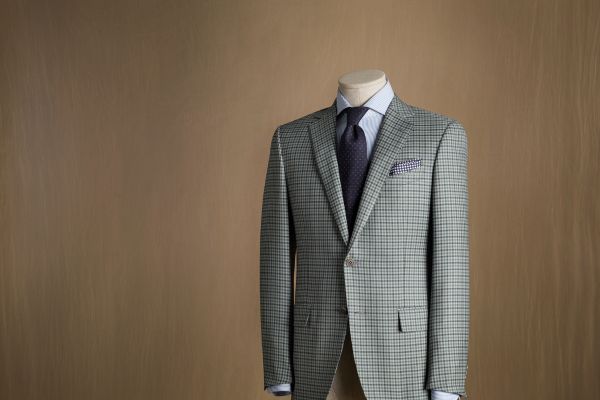
Let’s be honest for a second. Wearing a suit can feel intimidating. Maybe you only pull one out for weddings, interviews, or that one formal event you didn’t really want to attend. Or maybe you wear suits often but still wonder if you’re actually doing it right. Either way, learning how to wear a suit properly isn’t about memorizing rigid rules or looking stiff and uncomfortable. It’s about understanding fit, balance, and confidence, and then making it work for you.
In this guide, we’re going to break down how to wear a suit in a way that feels natural, looks sharp, and doesn’t scream “I borrowed this from my cousin.” No corporate fluff here. Just practical advice, real talk, and small details that make a big difference.
Understanding What a Suit Really Is (And Why It Matters)
Before diving into how to wear a suit, it helps to understand what you’re actually wearing. A suit isn’t just a jacket and pants that happen to match. It’s a coordinated outfit designed to frame your body in a clean, intentional way. When it works, it elevates your presence instantly. When it doesn’t, well, everyone can tell.
The thing is, most suit mistakes happen because people rush the process. They grab whatever’s on sale, assume “close enough” is fine, and move on. But a suit isn’t like jeans or a hoodie. Small details matter more here, from how it fits your shoulders to where your sleeves land.
Once you respect that, learning how to wear a suit becomes a lot easier.
Fit Comes First, Always
If there’s one thing you remember from this entire article, let it be this: fit is everything. You can wear an expensive suit, but if it doesn’t fit, it’ll look cheap. On the flip side, a modestly priced suit that fits well can look incredible.
When figuring out how to wear a suit properly, start with the shoulders. The jacket should sit flat without any dents, bumps, or overhang. If the shoulders don’t fit, nothing else will fully fix it. The jacket should also taper slightly at the waist, giving shape without feeling tight. You should be able to button it comfortably without pulling or wrinkling.
Your sleeves matter too, more than people think. Ideally, your jacket sleeves should end just above the wrist bone, allowing a bit of your shirt cuff to show. Not a lot. Just enough to look intentional. Pants should sit cleanly on your waist and fall naturally over your shoes without bunching up or dragging.
If you’re wondering whether tailoring is worth it, the answer is yes. Always yes. Even basic adjustments can completely change how a suit looks on you.
Choosing the Right Shirt Makes a Bigger Difference Than You Think
A suit without the right shirt is like a sandwich without filling. Sure, it exists, but something’s missing. When learning how to wear a suit, your shirt choice plays a major role in the overall look.
White and light blue shirts are classics for a reason. They work with almost any suit color and feel appropriate in nearly every setting. The fit should be slim but not restrictive. If the shirt balloons around your waist or pulls at the buttons, it’s the wrong size.
Pay attention to the collar as well. It should sit neatly against your neck without gaps. When buttoned up, you should be able to slide one finger comfortably between the collar and your neck. Too tight looks uncomfortable. Too loose looks sloppy.
Fabric matters too. Breathable cotton shirts feel better and look cleaner throughout the day, especially if you’re wearing the suit for hours.
The Jacket: Where Most People Go Wrong
The jacket is the centerpiece of any suit, and it’s also where most mistakes happen. When thinking about how to wear a suit, the way you treat your jacket says a lot about your style awareness.
First, button rules still matter. If your jacket has two buttons, button the top one when standing and unbutton when sitting. With three buttons, the middle one is your main button. The bottom button stays undone. Always. No exceptions.
Your jacket should hug your torso without feeling restrictive. You shouldn’t see deep creases around the button area, and the back should lie flat without excess fabric. When you move your arms, the jacket should move with you, not fight you.
And please, take off the tags and stitching vents. Yes, people forget this more often than you’d expect.
Pants, Breaks, and Real-Life Comfort
Suit pants are often overlooked, but they’re just as important as the jacket. When learning how to wear a suit comfortably, your pants should feel secure at the waist without needing constant adjustment.
The length of the pants affects the entire silhouette. A slight break, where the pants gently rest on the shoe, is a safe and timeless option. Too long and they bunch up awkwardly. Too short and it starts looking trendy in a way that doesn’t always age well.
The cut matters too. Slim doesn’t mean tight. You should be able to sit, walk, and stand without feeling restricted. If the fabric pulls across your thighs or calves, it’s not doing you any favors.
Shoes Can Make or Break the Look
Let’s be real. You can wear the best suit in the room, but if your shoes are wrong, people notice. Understanding how to wear a suit means understanding footwear too.
Classic leather dress shoes are the safest bet. Black shoes pair well with darker suits like black, charcoal, or navy. Brown shoes work beautifully with blue, gray, and lighter-toned suits. Whatever you choose, make sure they’re clean and well-maintained. Scuffed or worn-out shoes ruin the whole effect.
Socks should match your pants more than your shoes. This creates a longer, cleaner visual line. Loud socks can be fun, sure, but they’re better saved for casual settings unless you really know what you’re doing.
Ties, or Not Ties, That Is the Question
A tie isn’t always required, but when you wear one, it should feel intentional. When exploring how to wear a suit in different settings, think about the message you want to send.
Formal events usually call for a tie. Interviews, weddings, and business meetings still lean that way. The tie should reach your belt buckle, no shorter, no longer. Width matters too. Skinny ties with wide lapels look off, and wide ties with slim lapels feel dated.
If you skip the tie, keep everything else sharp. Open the collar neatly, make sure the shirt fits well, and keep the jacket structured. Casual doesn’t mean careless.
Wearing a Suit Casually Without Looking Awkward
Suits aren’t just for formal occasions anymore. These days, knowing how to wear a suit casually is almost as important as knowing how to dress it up.
Start by separating the pieces. A suit jacket can work with chinos or dark jeans. Suit pants can pair with a casual knit or a clean button-down. Even wearing a suit with a simple T-shirt can work if the fit is right and the colors are balanced.
The key is confidence and restraint. Don’t overdo accessories. Let the suit do the talking.
Confidence Is the Final Ingredient
Here’s the truth. You can follow every guideline about how to wear a suit, but if you feel uncomfortable, it shows. Confidence doesn’t mean arrogance. It means wearing your suit like it belongs to you, not like it’s wearing you.
Stand straight. Move naturally. Own the look. Once you feel comfortable in your suit, other people notice, even if they can’t explain why.
Final Thoughts on How to Wear a Suit the Right Way
At the end of the day, learning how to wear a suit isn’t about chasing perfection. It’s about understanding the basics, paying attention to fit, and making thoughtful choices. A good suit should feel like an extension of you, not a costume you can’t wait to take off.
Take your time. Get things tailored. Experiment a little. And most importantly, wear your suit with intention and ease. Do that, and you’ll never feel out of place in one again.
