

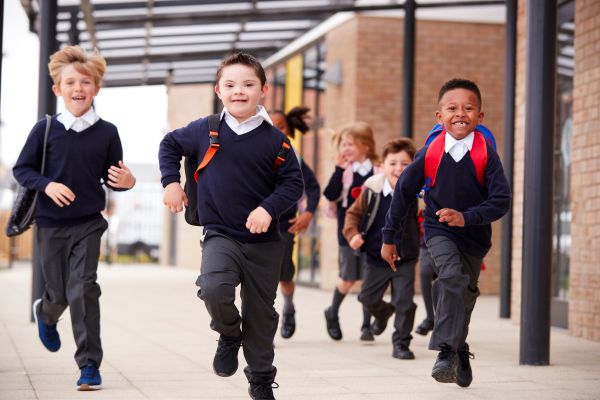
Sustainable kids fashion trends are no longer a quiet side conversation among eco-conscious parents. They have stepped confidently into the mainstream, reshaping how families think about clothing for children. What was once a niche concern has become a thoughtful movement driven by practicality, ethics, and a desire to raise children who understand the value of mindful choices.
Children grow fast, clothes wear out, and wardrobes need constant refreshing. That reality makes kids fashion one of the most waste-heavy corners of the apparel world. Sustainable kids fashion trends respond to this challenge not with guilt or pressure, but with creativity, flexibility, and a refreshing sense of realism.
Understanding what sustainability means in kids fashion today
Sustainability in kids fashion goes far beyond organic cotton labels or muted color palettes. It is about designing clothing that respects the planet, the people who make it, and the families who wear it. In recent years, the focus has shifted from perfection to progress. Parents are not expected to overhaul their entire approach overnight. Instead, sustainable kids fashion trends encourage smarter, more intentional decisions.
This includes durability over disposability, comfort over excess, and versatility over trend-chasing. The idea is simple: fewer clothes, worn more often, loved for longer. That philosophy aligns naturally with how many parents already think, even if they have never labeled it as sustainability.
Why children’s wardrobes are changing
One of the most interesting shifts in sustainable kids fashion trends is how they mirror changes in parenting itself. Modern parents are increasingly aware of environmental issues, but they are also deeply practical. Kids need clothes that survive playground falls, messy meals, and frequent washing.
As a result, fashion for children is becoming less about seasonal statements and more about everyday reliability. This does not mean dull or boring. Instead, designers are leaning into playful colors, timeless shapes, and fabrics that age well rather than wear out quickly. Clothes are being designed to be passed down, not thrown away.
The rise of timeless design over fast trends
Fast fashion thrives on constant novelty. Sustainable kids fashion trends push gently in the opposite direction. There is a renewed appreciation for classic silhouettes, neutral bases, and designs that do not scream a specific year or season.
This approach makes sense for children, whose clothes often outlive their initial owners. A simple dress, a soft sweater, or a well-made pair of trousers can move easily from one child to another without looking dated. Parents are increasingly drawn to pieces that feel familiar and comforting rather than flashy.
The beauty of timeless design is that it allows children to express themselves without being defined by fleeting trends. A striped shirt or a cozy cardigan becomes part of daily life, not just a photo-ready outfit.
Natural fabrics and gentle materials gaining attention
Comfort sits at the heart of sustainable kids fashion trends, and fabric choice plays a major role. Parents are paying closer attention to how clothes feel against sensitive skin. Breathable, soft, and low-irritation materials are becoming the standard rather than a luxury.
Natural fibers like cotton, wool, and linen are being used more thoughtfully, often blended to improve durability and ease of care. The focus is not on perfection but balance. Clothes need to be comfortable enough for children to forget they are wearing them, while sturdy enough to handle real life.
This shift has also sparked conversations about quality over quantity. A few well-made pieces that feel good and last longer often outperform a drawer full of uncomfortable, disposable clothing.
Gender-neutral styles redefining kids fashion
One of the most visible sustainable kids fashion trends is the rise of gender-neutral clothing. This movement supports sustainability in a very practical way: clothes that are not tied to strict gender norms can be worn by more children, for longer periods, and passed down without hesitation.
Colors like green, yellow, rust, and navy are becoming staples, while prints focus on nature, animals, and abstract patterns rather than stereotypes. This approach offers freedom for children to choose what they like while making wardrobes more flexible.
Parents often find that gender-neutral styles simplify shopping and reduce unnecessary purchases. A hoodie or pair of trousers that works for any child becomes an easy, long-term investment rather than a single-use item.
Secondhand fashion becoming a normal choice
There was a time when secondhand kids clothing carried unnecessary stigma. That mindset is fading quickly. Sustainable kids fashion trends have helped reframe pre-loved clothing as a smart, responsible, and often joyful option.
Children outgrow clothes long before they wear them out, which makes secondhand shopping particularly practical. Parents are discovering that gently used clothing can offer excellent quality at a fraction of the cost, while also reducing waste.
Beyond practicality, there is something meaningful about clothes with a story. Hand-me-downs and thrifted finds connect families through shared experiences, turning fashion into something more personal and less disposable.
The appeal of multifunctional clothing
Another defining feature of sustainable kids fashion trends is multifunctionality. Clothes are being designed to adapt to different seasons, activities, and stages of growth. Adjustable waistbands, roll-up cuffs, and layered designs allow garments to evolve alongside the child.
This flexibility reduces the need for constant replacements and encourages longer use. Parents appreciate clothing that works for school, play, and relaxed family moments without needing multiple outfit changes.
Multifunctional fashion reflects real life. Children do not live in carefully styled environments. They move, explore, and change constantly. Clothing that supports that reality naturally aligns with sustainability.
Teaching values through everyday choices
Sustainable kids fashion trends are not just about clothes. They are about lessons quietly woven into daily routines. When children see their parents choosing thoughtfully, repairing items, or valuing quality, they absorb those values without formal instruction.
Fashion becomes a gentle entry point into conversations about caring for the planet, respecting resources, and making mindful decisions. These lessons do not need to be heavy or overwhelming. They can start with simple moments, like explaining why a favorite shirt is being passed down rather than replaced.
Children raised with this awareness often develop a healthier relationship with consumption. They learn that new is not always better, and that taking care of what they have matters.
The future direction of sustainable kids fashion trends
Looking ahead, sustainable kids fashion trends are likely to become even more integrated into everyday life. As awareness grows, sustainability will feel less like a special category and more like a baseline expectation.
Innovation will continue, but the heart of the movement will remain grounded in common sense. Clothes that last, feel good, and make life easier for families will always win out over novelty for novelty’s sake.
The most encouraging sign is that sustainability in kids fashion is no longer framed as sacrifice. It is being presented as a positive, creative, and empowering choice that benefits children, parents, and the planet alike.
A thoughtful conclusion on dressing the next generation
Sustainable kids fashion trends reflect a broader cultural shift toward intention and care. They remind us that children’s clothing does not need to be excessive to be expressive, or disposable to be fun. By choosing durability, comfort, and timeless design, parents are quietly reshaping the fashion landscape.
These trends are not about doing everything perfectly. They are about making small, thoughtful choices that add up over time. In a world where children grow quickly and resources feel increasingly precious, sustainable fashion offers a grounded, hopeful path forward.
Dressing the next generation with care is not just about what they wear today. It is about the values they carry into tomorrow, stitched gently into the fabric of everyday life.
