

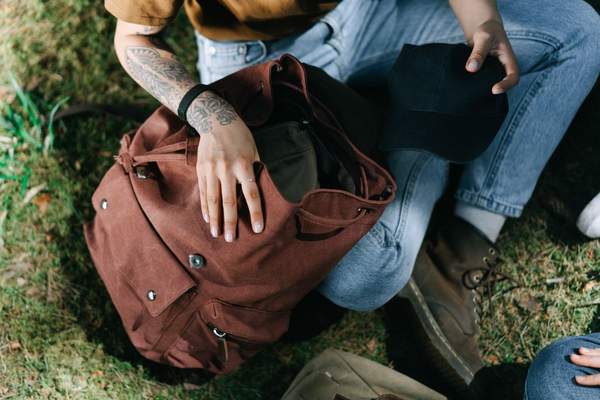
Backpacks have spent years fighting the “school bag” stereotype, but 2026 is making the category feel noticeably more adult. The biggest shift is not one dramatic shape or color. It is a move toward bags that look intentional: cleaner proportions, better materials, quieter branding, and enough function to handle commuting, travel, and everyday errands without looking like outdoor gear wandered into an office outfit.
That makes the best backpack trends 2026 less about chasing novelty and more about choosing a silhouette that matches how you actually move through the day. A slim technical pack, a structured leather backpack, and a soft utility daypack can all look current, but they create very different impressions.
The Grown-Up Backpack Is Cleaner, Not More Formal
A mature-looking backpack does not have to mean glossy leather or briefcase styling. Many stylish backpacks 2026 are relatively simple. What separates them from student bags is restraint: fewer oversized logos, less contrast piping, a tighter color palette, and pockets integrated into the shape instead of stacked across the front.
Look for proportions that stay close to the body rather than ballooning outward. This works especially well with tailoring, overshirts, long coats, and minimal casual outfits. For more help matching capacity to your routine, see how to choose an everyday bag.
Technical Backpacks Are Moving Into Everyday Style
One of the clearest trending backpack styles is the technical daypack: lightweight nylon, purposeful zippers, ergonomic straps, and details borrowed from hiking or cycling. The difference in 2026 is how these bags are being worn. Streamlined technical packs now sit comfortably beside jeans, knitwear, tailored trousers, and even blazers.
The most grown-up versions keep performance details controlled. A little mesh, a compression strap, or an exterior cord can add character, but too many exposed buckles and loops quickly turn the bag into expedition equipment.
Best for active commuters
- Choose a padded or suspended laptop sleeve.
- Prioritize water-resistant fabric for unpredictable commutes.
- Look for breathable back padding if you walk or cycle.
- Keep the color palette quiet if you plan to wear it to work.
Minimal Nylon Is the Best All-Rounder
If technical backpacks feel too outdoorsy, minimal nylon is the middle ground. These bags use practical materials but hide the complexity through smooth panels, concealed zips, narrow straps, matte hardware, and muted colors.
This style is especially convincing for hybrid offices because it does not look overly corporate or too casual. It is also easier to maintain than most leather bags. One useful rule from any commuter backpack guide is to judge the bag when filled, not empty. A beautiful flat backpack can become awkward once a charger, bottle, headphones, notebook, and lunch are added.
Leather Is Softer and Less Corporate
Leather still has a place, but the strongest versions no longer look like briefcases with shoulder straps attached. Softer leather, rounded edges, discreet hardware, and simple front panels make the format relaxed enough for everyday use while still pairing easily with smarter clothing.
Leather makes the most sense when appearance matters more than low weight and your load is fairly light. If you routinely carry a large water bottle, gym kit, lunch container, and laptop, technical fabric will usually be more forgiving. For a deeper material comparison, leather vs nylon bags is a natural next read.
Soft Utility Backpacks Add Flexibility
At the opposite end are softer daypacks with drawcords, flap tops, expandable compartments, or slightly slouchy shapes. Their advantage is flexibility: they can expand for groceries, a sweater, or travel extras, then collapse when lightly packed. In 2026, the more refined versions use restrained colors and hardware rather than overt hiking details.
Travel Backpacks Are Getting More City-Friendly
Travel-oriented backpacks are also moving away from obvious “one-bag traveler” styling. Cleaner fronts, hidden trolley sleeves, clamshell openings, and better internal organization let a travel pack work at the airport without looking oversized at a café or coworking space.
Consider a two-night work trip. A 20-to-28-liter backpack with a laptop sleeve, one main clothing compartment, and a small quick-access pocket can often cover the journey without the bulk of a large hiking pack. A trolley sleeve adds flexibility when you pair it with rolling luggage. For trip-specific ideas, see best bags for short trips.
How the Main 2026 Backpack Styles Compare
The easiest way to choose among the leading backpack trends is to decide what matters most: polish, low weight, organization, or flexible capacity.
- Technical backpack: best for comfort, walking, cycling, and heavier daily use.
- Minimal nylon backpack: best all-round choice for office, commuting, and casual wear.
- Leather backpack: best for a polished appearance and lighter loads.
- Soft utility backpack: best for flexible capacity and relaxed wardrobes.
- Travel-ready backpack: best for people who want one bag for workdays and short trips.
Here is the most useful real-world test: pack the exact items you carry on an ordinary Tuesday, not the items you imagine carrying on an ideal day. Add your laptop, charger, bottle, keys, headphones, lunch, umbrella, and any gym or childcare essentials. If the bag feels crowded before you leave home, the style is wrong for your routine no matter how good it looks online.
Colors and Details That Look Current
Black remains the safest option, but grown-up backpacks are not limited to black. Dark brown, moss, navy, graphite, stone, and muted two-tone combinations can feel just as versatile. Matte zippers, tonal buckles, low-contrast logos, and hidden compartments also make a backpack easier to combine with different outfits.
If you like a technical silhouette but want it to look more refined, choosing a quieter color is often more effective than choosing a dressier material.
FAQ
Are backpacks still stylish in 2026?
Yes. Streamlined technical packs, minimal nylon, refined leather, and city-friendly travel backpacks all feel current. The key is choosing clean proportions and details that suit your wardrobe rather than relying on obvious logos or novelty features.
What backpack looks most professional?
A structured minimal nylon or understated leather backpack usually looks the most professional. Look for clean lines, subtle branding, a stable shape, and hardware that does not dominate the design.
What size backpack is best for commuting?
For many commuters, roughly 16 to 24 liters is a useful range, depending on laptop size and whether you carry food, gym clothes, or extra layers. A smaller bag looks neater only if it comfortably fits your real daily load.
Should a work backpack have lots of compartments?
Not necessarily. A laptop sleeve, quick-access pocket, bottle space, and one main compartment cover many daily needs. Too many tiny pockets can add bulk and make the interior harder to use.
Choose the Backpack That Looks Deliberate
The useful shift in backpack trends 2026 is that function and style no longer need to pull in opposite directions. Technical packs are becoming sleeker, leather options are becoming less stiff, and travel bags are learning how to blend into everyday city life.
Instead of asking which backpack is the trendiest, compare how each style behaves with your clothes and routine. The bag that looks grown-up is usually the one that feels deliberate: the right size, the right material, and no more features than you actually need. It works across work, travel, everyday life.
