

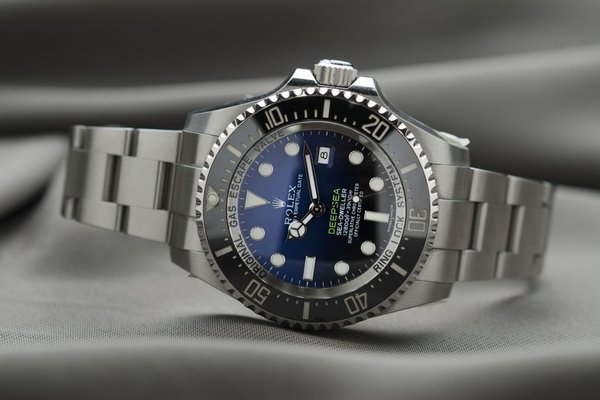
A watch crystal is easy to overlook when comparing dials, movements and straps. Yet the transparent cover above the hands helps determine how well a watch survives years of everyday contact. In the sapphire vs mineral watch crystal debate, the question is not simply which material is stronger. It is whether you would rather pay more to avoid scratches or spend less on a watch that may show wear sooner.
Both materials protect the dial, and neither makes a watch indestructible. Their differences become clearer when you separate scratching, impacts, visibility and replacement costs.
Sapphire vs Mineral Watch Crystal: The Quick Comparison
Sapphire wins decisively on resistance to surface scratches. Mineral glass usually costs less and suits many affordable everyday watches. Either material can break after a severe impact, so case construction matters too.
Where sapphire has the advantage
A sapphire crystal watch tends to keep its face looking cleaner for longer when exposed to desks, bags and other everyday surfaces. It appeals especially to anyone planning to wear one watch daily for years.
Where mineral glass makes sense
A mineral glass watch can offer attractive styling and reliable timekeeping without the extra manufacturing expense. If you rotate several watches, comfort, fit or movement quality may matter more than the crystal.
Scratch Resistance: The Biggest Difference
Watch sapphire is usually laboratory-grown corundum, the same mineral family as natural sapphire. Corundum ranks 9 on the Mohs hardness scale, making it highly resistant to scratches from many materials encountered in normal life. It is not scratchproof: sufficiently hard abrasives can still damage it.
Mineral crystals are made from glass, often strengthened through a hardening process. Scratch resistance varies by formulation and treatment, but is substantially lower than sapphire’s. Fine marks can accumulate with repeated contact with rough surfaces.
Imagine someone wearing the same watch five days a week while commuting and working at a desk. After several years, sapphire may still look fresh while mineral glass may develop scratches visible at an angle. This is why buyers seeking a scratch resistant watch often prioritize sapphire.
The Mohs scale measures relative scratch resistance, however. It does not tell you how likely a watch crystal is to crack when dropped.
Impact Resistance: Harder Is Not Unbreakable
Sapphire’s surface hardness does not guarantee superior performance in every impact. A sharp blow to an exposed edge can chip or fracture sapphire. Mineral glass may respond differently to knocks, but it too can crack or shatter. Thickness, shape, bezel protection and the direction of impact influence the result.
A watch that strikes a doorframe face-first experiences different stress from one that lands directly on a crystal edge. Two watches using the same material can survive differently because their cases support the glass differently.
For physically demanding work, check whether the crystal sits below a raised bezel and whether replacement parts are available.
Clarity, Glare and Anti-Reflective Coatings
Both sapphire and mineral glass can provide excellent dial visibility when new. Curvature, finishing and anti-reflective treatment often make a bigger visible difference than the material alone.
Uncoated sapphire can reflect considerable light. Manufacturers sometimes apply anti-reflective coatings to improve legibility; certain Seiko models specify an inner-surface coating. An exterior coating can show scuffs even when the sapphire beneath remains unharmed.
Look at a prospective watch from several angles under strong lighting instead of relying on studio photographs. Also consider dial contrast and hand design, which affect readability just as much.
Price: Is Sapphire Worth the Premium?
Sapphire generally costs more to manufacture and shape than mineral glass, especially in complex curved forms. That helps explain its popularity in more expensive watches. Still, crystal material does not determine retail price by itself, and some affordable watches also use sapphire.
A sapphire-equipped model is not automatically better value than a mineral-glass watch with a stronger movement, more comfortable bracelet or better finishing.
Compare the actual price gap between models you like. If it is modest and you will wear the watch constantly, sapphire may be a worthwhile upgrade. If the upgrade means sacrificing a feature you value more, mineral glass may be the smarter purchase.
Replacement and Long-Term Ownership
Scratches on mineral glass can be difficult to remove cleanly, making replacement more practical than polishing. Sapphire also usually requires specialist equipment for significant surface repair. A cracked crystal of either type deserves prompt attention because moisture or fragments could reach the movement.
Replacement costs depend on the crystal’s shape and availability, not just its material. A generic flat piece may be easier to source than a branded curved or coated version. Labor, fresh gaskets and water-resistance testing add expense.
Before buying a watch with an unusual crystal shape, ask whether an official replacement is available. After crystal replacement, a swimming or diving watch should be professionally tested rather than assumed to retain its original seal. Understanding watch water resistance ratings explains why that matters.
Which Crystal Should You Choose?
For daily office or commuting wear
Sapphire is appealing if a tidy-looking face matters to you. The benefit increases with regular wear, particularly if you intend to keep the watch for many years.
For an occasional dress watch
Mineral glass may be sufficient when the watch spends most days safely stored. You might prefer to put the savings toward a better-fitting design. Choosing the right watch size can make a bigger difference to daily enjoyment.
For an outdoor or work watch
Look at the entire case, including a protective bezel and the availability of service parts. Comparing common watch case materials can also help you judge suitability for tougher activities.
Check the official specification sheet rather than interpreting every proprietary name as sapphire. Seiko’s Hardlex, for example, is hardened mineral glass. Different watch crystal types bring different trade-offs.
Frequently Asked Questions
Is sapphire always better than mineral glass?
No. Sapphire provides substantially better scratch resistance, but mineral glass costs less and can suit occasional wear. Consider the whole watch and your habits.
Can a sapphire watch crystal get scratched?
Yes. Hard abrasives can mark sapphire, and an exterior anti-reflective coating may scuff even when the underlying crystal remains intact.
Does mineral glass break more easily?
There is no universal answer. Breakage depends on impact force, contact point, glass dimensions and case support. Both materials can break.
Can I upgrade mineral glass to sapphire?
Sometimes, if a compatible crystal exists. Have a qualified watchmaker assess its dimensions, fitting and sealing requirements.
Final Verdict
If avoiding everyday scratches is your priority, sapphire is generally worth considering. Mineral glass remains reasonable when budget, occasional use or other features matter more. Choose for the conditions your watch will actually face, including future servicing costs. The right watch should fit your wrist and routine, not simply win a materials comparison.
