

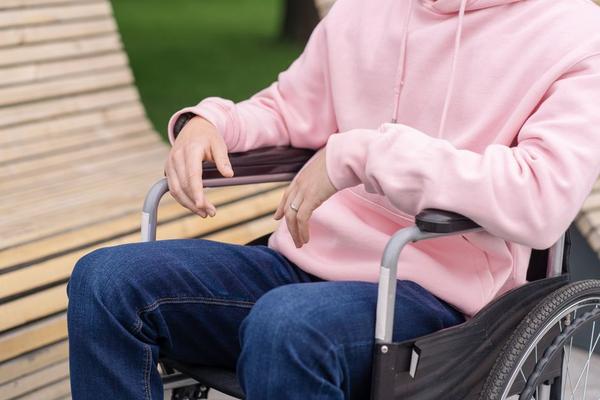
Adaptive clothing has moved well beyond purely clinical-looking garments. The strongest adaptive clothing brands now treat accessibility as a design problem: make dressing easier, reduce uncomfortable seams or closures, allow access for medical devices, and still create clothes people actually want to wear. The right brand, however, depends heavily on the wearer’s needs. A wheelchair user may care most about seated fit, while someone with limited hand dexterity may need magnetic closures or pull-on designs.
This comparison focuses on brands with distinct strengths rather than pretending there is one “best” option for everyone. Availability and sizing vary by country, so check current stock before choosing a label.
What Makes Adaptive Clothing Worth Buying?
Good accessible clothing starts with a specific problem. Useful features include magnetic or easy-touch closures for reduced dexterity, side openings for assisted dressing, higher back rises for seated wear, flat or reduced seams for comfort, wider openings for braces and prosthetics, and discreet access points for ports or tubes.
Fit matters just as much. Conventional trousers can bunch or ride down when worn seated for hours. Disability friendly fashion works best when adaptive features feel integrated rather than added as an afterthought.
Adaptive Clothing Brands to Know in 2026
Tommy Hilfiger Adaptive: Best for Mainstream Style
Its Adaptive range includes clothing for men, women and children, with features such as magnetic buttons, one-handed zippers, adjustable fits, sensory-friendly construction and garments designed to accommodate braces, orthotics or prosthetics. It also offers seated-fit pieces designed to reduce bulk and improve comfort while sitting.
This is a strong choice for shoppers who want recognizable everyday fashion. Some garments contain magnets, and the brand advises people with implanted medical devices to consult a physician before use.
IZ Adaptive: Best for Wheelchair Users
IZ Adaptive has designed clothing for people with physical disabilities since 2009. Its standout strength is clothing engineered around seated bodies. The range includes trousers, jeans, tops and outerwear shaped to drape more naturally while sitting.
Its Game Changer pants use a seamless-back construction, while several seated styles avoid rear pockets and rivets. For someone who spends much of the day in a wheelchair, those details can be more important than a generic “easy dressing” label.
Spoonie Threads: Best for Medical Access
Spoonie Threads designs adaptive clothing and accessories around disabilities, chronic illnesses and treatment needs. Its collections cover ostomy support, tube and port access, diabetes care, cancer treatment and post-surgery recovery. Access tees, hoodies and similar garments can make it easier to reach medical areas without removing as much clothing.
This makes the brand especially practical when the main challenge is comfortable access during treatment or everyday device use.
Joe & Bella: Best for Older Adults
Joe & Bella focuses strongly on older adults experiencing changes in mobility, cognition or dexterity. Its adaptive shirts, pants, sweaters and socks use features such as magnetic closures, side zippers, flexible waists and easier openings. Some pieces support independent dressing, while others can reduce the effort involved in assisted dressing.
The styling is intentionally familiar, which suits shoppers who want conventional-looking shirts, trousers and casualwear with easier functionality.
Silverts: Best for Assisted Dressing
Silverts offers a broad range for older adults, wheelchair users and people who need caregiver assistance. It organizes many products around self-dressing, assisted dressing and recovery. Open-back tops, side-opening pants, elastic waists, easy-touch fasteners and magnetic closures are common.
For a person who cannot comfortably lift their arms or stand during dressing, Silverts is useful because many garments are designed around the assisted-dressing process itself.
MagnaReady: Best for Magnetic Closures
MagnaReady specializes in replacing conventional fasteners with magnetic systems. Its range includes shirts, blouses, cardigans, jeans, chinos and shorts, making it appealing to people who like traditional wardrobe staples but struggle with buttons or standard flies.
If fastening is the main barrier, MagnaReady deserves a close look. As with other magnetic clothing, shoppers with pacemakers or other implanted devices should follow the brand’s safety guidance and seek medical advice when appropriate.
Liberare: Best for Adaptive Bras and Underwear
Liberare fills a gap often overlooked by broader adaptive fashion brands: intimate apparel. It makes easy-on, front-closing wireless bras and adaptive underwear aimed at people with limited hand dexterity, restricted shoulder movement, chronic pain or post-surgery needs.
For someone who manages most everyday clothes but finds a conventional back-fastening bra difficult, one specialist garment may make more difference than replacing an entire wardrobe.
Primark: Best for Lower-Cost High-Street Options
Primark has continued expanding its adaptive clothing work in 2026, including products developed with adaptive fashion designer Victoria Jenkins. Its accessible offer has included everyday clothing, underwear, nightwear and adaptive swimwear, with features such as discreet openings, tube access and seated-wear considerations. Availability varies by market and store.
Its biggest contribution is affordability: accessible clothing becomes more useful when everyday pieces do not have to be treated like expensive specialist equipment.
How to Choose Between Adaptive Fashion Brands
Start with the dressing problem, not the logo. Imagine someone who uses a wheelchair and also has reduced hand dexterity. A magnetic shirt may solve the fastening issue, but standard trousers may still bunch or create pressure while seated. A better wardrobe could combine a magnetic top from one brand with seated-cut trousers from another.
Before ordering, check how the garment opens, where seams and hardware sit, whether it can be put on while seated or lying down, and whether the size guide suits the wearer’s posture. If possible, test one piece before buying multiples.
Frequently Asked Questions
What is an adaptive clothing brand?
It is a brand that designs garments to make dressing, comfort or medical access easier for people with disabilities, reduced mobility, limited dexterity, chronic illness or recovery needs. Common features include magnetic closures, open backs, seated cuts, side zips and device-access openings.
Which adaptive clothing brand is best for wheelchair users?
There is no universal best choice, but IZ Adaptive is particularly focused on seated fit. Tommy Hilfiger Adaptive and Silverts also offer wheelchair-friendly or seated-wear solutions. The right option depends on pressure sensitivity, dressing method, style and sizing.
Are magnetic adaptive clothes safe for everyone?
No. Magnetic closures can be convenient, but brands that use them may carry warnings for people with pacemakers or other implanted medical devices. Always check the garment’s safety information and seek professional medical guidance when relevant.
Can adaptive clothing still look fashionable?
Yes. Modern accessible clothing increasingly integrates functional details into familiar silhouettes, from jeans and polos to underwear, coats and swimwear. The strongest designs make accessibility part of the garment rather than its entire visual identity.
Finding the Right Accessible Clothing
The most useful shift in adaptive fashion is choice. Tommy Hilfiger offers mainstream styling, IZ Adaptive emphasizes seated design, Spoonie Threads focuses on medical access, Silverts and Joe & Bella address easier and assisted dressing, MagnaReady specializes in magnetic fastening, Liberare improves intimate apparel, and Primark brings adaptive options into more affordable retail.
Compare each feature with the person’s real routine, then judge fit, care requirements, style and price. When accessible clothing solves the right problem without taking away personal expression, it stops feeling like a compromise and starts feeling like better fashion design.
