

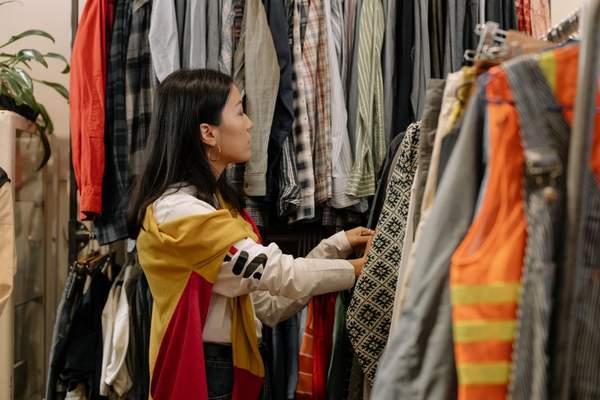
Thrifting vintage clothing is part treasure hunt, part detective work. The thrill comes from finding something with real character: a well-cut jacket, a worn leather bag, or a dress with details rarely seen in modern shops. But not everything old-looking is genuinely vintage, and not every secondhand item is worth buying. Learning how to thrift vintage clothing means understanding age, construction, labels, fabric, condition, and value before you reach the till.
You do not need to be a fashion historian. With a few practical vintage shopping tips and a patient eye, you can separate true vintage pieces from ordinary used clothes, modern reproductions, and items that are simply worn out.
What Counts as Genuine Vintage Clothing?
There is no single legal definition used everywhere, but many collectors and sellers describe clothing as vintage when it is roughly 20 years old or older. That means pieces from the early 2000s can now fall into the category. “Antique” generally refers to much older items, often around 100 years old, while “retro” can describe newer clothing designed to imitate an earlier style.
A secondhand garment may be only a few years old. It can still be stylish, sustainable, and worth buying, but it is not necessarily vintage. A useful thrifting guide should help you judge the item rather than rely on a handwritten tag or an optimistic seller description.
Start With the Label
Labels are one of the quickest ways to estimate age. Older logos, union labels, country-of-origin wording, and care instructions can provide clues. Compare typography, label material, and logo design with dated examples, as brands often changed labels over time.
Check origin and care details
Manufacturing locations shifted as fashion production moved globally. An origin no longer commonly associated with a brand may support an earlier date, although this clue should not be used alone. Very old garments may have minimal washing information or no care label. Newly printed labels inside a supposedly decades-old garment deserve closer inspection, although unworn deadstock exists.
Study the Construction and Fastenings
When learning how to find vintage clothes, turn garments inside out. Construction often reveals more than the front. Look at seams, hems, linings, zips, buttons, and finishing methods. Older pieces may include hand-finished details, generous seam allowances, metal zips, substantial linings, bound seams, or carefully matched patterns.
These features do not automatically prove age, and plenty of vintage clothing was mass-produced. Still, period-appropriate construction and materials strengthen the case. Overlocked seams, plastic coil zips, and modern stretch blends may suggest a newer item, depending on the claimed decade.
Do not assume older means better
Some vintage garments were inexpensive when new, while some modern pieces are exceptionally well made. Decide whether the construction is strong enough for continued wear and whether the design offers something you genuinely want.
Learn the Feel of Vintage Fabrics
Fabric knowledge develops through experience. Older wool, cotton, silk, rayon, linen, denim, and leather may feel different from modern equivalents because manufacturing and fibre blends have changed. Weight, drape, texture, and wear patterns can offer useful clues, but no single fabric characteristic proves age.
Be cautious with material that feels brittle, powdery, sticky, or unusually stiff. Silk can weaken, old elastic may lose its recovery, and coatings on synthetic fabrics can deteriorate. A beautiful piece is not a bargain if it cannot survive cleaning or normal wear.
Inspect Condition Before You Fall in Love
Good thrifting decisions happen before emotional attachment. Check underarms, collars, cuffs, crotch seams, waistbands, pockets, hems, and fastenings. Hold lighter fabrics towards a lamp to reveal thinning, pinholes, stains, or repairs. Smell the garment too; smoke, mildew, and strong storage odours can be difficult to remove.
Minor problems such as a missing button, loose hem, or simple seam split may be easy to fix. More serious issues include widespread moth damage, dry rot, weakened shoulders, peeling synthetic material, severe fading, and old stains. Include repair and cleaning costs when judging value.
Check Whether the Size Can Work
Vintage sizing is inconsistent and often smaller than modern sizing with the same number on the label. Ignore the printed size and focus on measurements. Take a flexible tape measure when shopping, or save the measurements of a well-fitting garment on your phone.
For tops and dresses, check the bust, waist, hips, shoulders, sleeves, and total length. For trousers and skirts, measure the waistband, rise, hips, inseam, and hem width. Non-stretch woven fabrics need enough ease for movement. Tailoring can improve fit, but major alterations may cost more than the garment.
Recognise Reproductions and Vintage-Style Pieces
Modern reproductions are not bad purchases. They may offer easier sizing, stronger fabric, and simpler care. The problem arises when a new item is priced or described as an original vintage piece.
Look for modern website addresses, recent copyright dates, current barcodes, contemporary washing symbols, and brand names known for retro-inspired clothing. Consider whether all the details make sense together. A dress may have a 1950s silhouette but contain a modern invisible zip and stretch fabric. That makes it vintage-style, not an original 1950s garment.
Shop With a Focused Strategy
The most useful vintage shopping tips are simple: go often, look slowly, and stay open-minded. Stock changes constantly, and the best item may be in the wrong section or hidden beneath newer clothing. Scan for fabric, colour, print, and unusual details before checking labels.
Keep a loose wish list, such as a wool blazer, silk scarf, denim jacket, or evening bag, but avoid buying purely because something is old. Ask whether it fits your wardrobe, whether you can care for it, and whether you will actually wear it. A smaller collection of useful pieces is better than a cupboard full of “finds” that never leave the hanger.
Frequently Asked Questions
How can I tell if clothing is truly vintage?
Use several clues together: the label, construction, fabric, fastenings, care instructions, manufacturing location, and signs of natural age. No single detail is completely reliable, so assess the whole garment against examples from the claimed period.
Is all vintage clothing valuable?
No. Value depends on condition, rarity, designer, demand, material, size, and wearability. An ordinary vintage blouse may be inexpensive, while a rare designer piece in excellent condition can be highly valuable.
Should I wash vintage clothing immediately?
First identify the fabric and inspect its condition. Some garments can be gently hand-washed, while structured jackets, delicate silk, embellished pieces, and unstable dyes may need specialist cleaning. Avoid aggressive washing or heat when uncertain.
Where is the best place to find vintage clothes?
Charity shops, flea markets, specialist vintage shops, estate sales, online marketplaces, and clothing fairs can all be worthwhile. The best source depends on your budget and how much time you want to spend checking authenticity.
Build Your Eye, Not Just Your Wardrobe
Knowing how to thrift vintage clothing is a skill that improves with every rail you browse. Labels become easier to recognise, fabrics feel more familiar, and construction details begin to stand out. The aim is not to prove that every purchase is rare. It is to choose authentic, wearable pieces with a story, a good fit, and enough life left to become part of your own style.
