

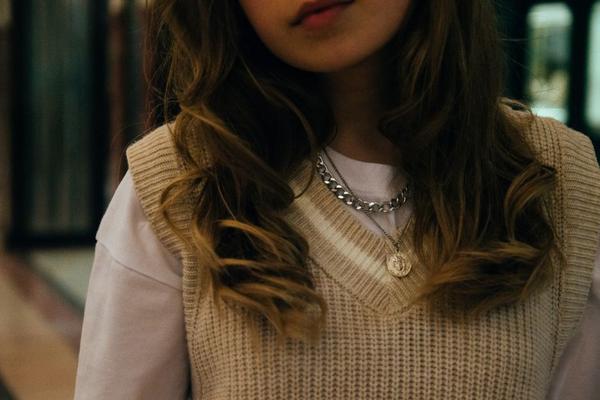
For a while, the vest was treated as a finishing piece: tailored to wear with matching trousers, a practical puffer for cold days, or a knit for cooler weather. In 2026, that definition feels too narrow. The vest layering trend is making the sleeveless layer part of the outfit itself, often worn over shirts, dresses, fine knits and T-shirts to change proportion without the weight of a full jacket.
The interesting part is not simply that vests are back; it is how they are being used. A vest can sharpen a soft dress, break up a monochrome outfit, add colour around the torso or turn an ordinary button-down into something more considered.
Why vests feel different in 2026
The current vest outfit trend is less about building a perfectly matched three-piece look and more about contrast. Tailored waistcoats are being separated from suits, sweater vests are moving beyond preppy styling, and casual versions are being paired with cleaner everyday clothes.
This is why the trend is accessible. The vest acts as a middle layer, so familiar pieces suddenly read differently. A white shirt under a charcoal vest feels polished; the same shirt under a loose knitted vest looks softer. Put a slim tailored vest over a flowing midi dress and the waistline becomes more defined without changing the dress itself.
For more ideas on building outfits through proportion, see our guide to layering pieces and transitional dressing.
The shirt-and-vest combination is the easiest starting point
If you are wondering how to style a vest without making the outfit feel costume-like, start with a shirt. Instead of automatically choosing a fitted shirt with a fitted waistcoat, play with one element of contrast.
Try relaxed underneath and structured on top
An oversized cotton shirt under a neat, slightly cropped vest creates a clean difference between volume and structure. Leave the shirt untucked over straight jeans or trousers so the hem remains visible below the vest. The extra length stops the outfit from feeling too formal.
Or reverse the proportions
A longer, roomier layering vest can work over a close-fitting shirt or fine roll-neck. This is useful in cooler months because it adds interest without creating bulky sleeves under a coat. Keep the lower half simple so the eye can register the layered shape.
Look at the outfit from the side as well as the front. If both the shirt and vest flare at the same point, the combination may look wider than intended. Choose a vest that ends closer to the waist or let the shirt extend clearly below it.
Wearing a vest over a dress changes the silhouette
Layering a vest over a dress lets two different pieces balance each other. A fluid dress brings movement; a vest adds a stronger line through the torso. The result can feel more styled without needing a belt or jacket.
For example, take a plain long-sleeved midi dress you might usually wear with boots. Add a fitted button-front vest in a similar neutral tone, leave the bottom button undone, and keep the rest of the outfit simple. The dress still provides the long line, but the vest creates a focal point at the waist and chest. A boxier knitted vest gives a softer, more relaxed effect.
When the dress has a busy print, choose a solid vest that repeats one colour already present. When the dress is plain, the vest can carry more texture through wool, brushed knit, corduroy or subtle pinstripe fabric.
Texture matters as much as colour
A vest can transform basics because it adds a new surface without covering the entire outfit. A chunky knit over poplin, brushed wool over jersey, or tailored suiting over a cotton T-shirt creates depth even when every piece sits within the same colour family.
For a neutral wardrobe, build contrast through fabric instead of forcing bright colour. Cream knit over white cotton, chocolate wool over taupe jersey, or black tailoring over charcoal can look intentional while remaining easy to wear.
For more ideas, see our guide to mixing textures in neutral outfits.
How to keep vest layering balanced
The trend works best when the vest changes one clear thing about the outfit: shape, texture, colour or formality. Trying to make it do everything at once can make the styling feel busy.
Use the vest as the visual centre, then simplify around it. With a decorative knitted vest, choose a plain shirt. With a sharp pinstripe waistcoat, relaxed denim keeps the tailoring from feeling corporate. With a long utility vest, a fitted base layer prevents the silhouette from becoming shapeless.
Pay attention to the armhole too. A narrow armhole sits neatly over thin shirts and tees, while a wider cut is more comfortable over thicker sleeves. If fabric bunches around the shoulder, the vest is probably not roomy enough for that base layer.
The most wearable colour combinations
Tonal combinations are an easy entry point. Navy over pale blue, camel over cream, grey over white and brown over beige create enough separation to show the layers without making colour the main story.
For more contrast, try burgundy over pale blue, olive over soft pink, or cobalt over grey. Echo the vest colour once in a small accessory or pattern if you want the outfit to feel especially cohesive.
For more colour-led inspiration, see our guide to colour combinations for everyday outfits.
FAQ
Are vests still in style in 2026?
Yes. Vests and waistcoats remain relevant, but the styling has expanded beyond wearing them as standalone tops or as part of suits. Layering them over shirts, dresses and lightweight knits is a particularly current approach.
What should I wear under a vest?
Button-down shirts, fitted T-shirts, fine knitwear, long-sleeved dresses and simple jersey tops all work. Choose the base layer according to the vest’s armhole and fit so the fabric sits smoothly.
Can I wear a vest over a dress?
Absolutely. A tailored vest can add structure to a soft or flowing dress, while a knitted vest can make a simple dress feel more casual and layered. Keeping the colours connected usually makes the combination easier to style.
How do I stop a vest outfit from looking too formal?
Mix the vest with relaxed pieces instead of matching tailoring from head to toe. Denim, casual shirts, soft dresses, flat shoes and simple T-shirts can reduce the formality while preserving the vest’s clean shape.
A small layer with a big visual payoff
The strongest thing about this trend is its usefulness. A vest does not ask you to rebuild an outfit; it asks you to add one more line, texture or proportion. Over a shirt it can make basics feel sharper. Over a dress it can create structure. Over a fine knit it adds depth without the bulk of another sleeved layer.
That makes the vest more than a seasonal comeback. In 2026, its appeal lies in being a flexible styling tool that can move between tailored, casual, minimal and expressive wardrobes with very little effort.
