

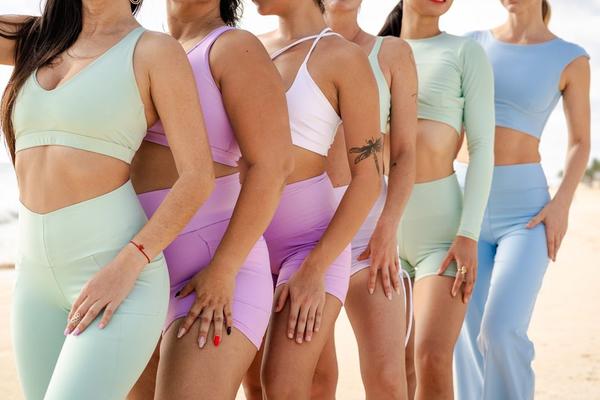
Yoga clothing trends in 2026 are getting looser and more expressive, with flares, wide-leg pants, cropped lengths and less perfectly matched styling. Yet the best yoga clothes still have to stretch freely, stay in place, remain opaque through deep bends and feel comfortable against the skin.
If you are comparing the best yoga clothes 2026 has to offer, the useful question is which trends genuinely improve a practice and which are mainly studio-to-street style. Here is how the biggest shifts compare.
Flared and Wide-Leg Yoga Pants: Stylish, but Practice-Specific
Flared yoga pants are one of the clearest silhouettes of 2026. Activewear ranges now include classic flares, mini flares and wider-leg versions alongside traditional leggings. They also transition easily beyond class.
Functionally, flares are strongest for Hatha, restorative yoga and gentler studio sessions. Extra fabric around the ankle can become distracting during quick transitions or inversions, and floor-skimming hems are not ideal in a hot class. A good flare should fit securely from waist to knee, recover after stretching and come in an inseam that does not drag under the heel.
Capris and Cropped Lengths: One of the More Useful Revivals
Cropped yoga pants keep fabric away from the feet and can feel cooler than full-length leggings, making them practical for warm studios, outdoor sessions or anyone who dislikes bunching behind the knees.
Very loose gaucho-style crops are more situational because they can shift during downward dog or inversions. A closer-fitting capri is usually the better performance choice. In a functional yoga outfit guide, cropped styles sit neatly between full-length leggings and relaxed studio wear.
Soft, Low-Compression Fabrics Are Winning
Yoga-specific clothing is continuing to move away from the ultra-compressive feel associated with high-impact training. Soft nylon-elastane blends, lightweight stretch knits and second-skin finishes remain popular because yoga needs freedom of movement more than aggressive muscle support. Four-way stretch and good shape recovery matter more than an exceptionally tight waistband.
Softness alone is not enough. For heated yoga or fast vinyasa, compare drying speed, breathability and how the fabric feels once damp. For slower practices, a brushed finish may be more comfortable. Before buying, perform a deep squat and forward fold: the fabric should stay opaque, the waistband should remain flat and the knees should not bag when you stand.
Seamless and Ribbed Sets: Comfortable When the Fit Is Right
Seamless leggings, ribbed sets and contour-knit pieces remain prominent in trending yoga wear. Fewer bulky seams can reduce friction, while rib structures add visual interest without relying on prints.
However, seamless does not automatically mean more comfortable. Some pieces use firm compression zones that can feel restrictive in deep twists, and lightweight ribbed fabrics can become more sheer when stretched. Compare how evenly the garment stretches, whether the waistband rolls and whether it remains comfortable for a full class rather than buying on the construction label alone.
Matching Sets Are No Longer the Only Current Look
Coordinated bras and leggings are still easy and polished, but 2026 activewear is becoming less uniform. Contrasting tops, mixed neutrals and different proportions are giving yoga outfits more personality. This is mostly a style trend rather than a performance upgrade, but it can make a smaller wardrobe more versatile.
Build around dependable bottoms, then rotate tops and layers. One pair of neutral leggings can work with a fitted tank for class, a longline bra for hot yoga and a relaxed layer afterward. A yoga leggings guide is useful when comparing rises, lengths and compression levels.
Longline Tops and Light-to-Medium Support Suit Yoga Better
Yoga tops are becoming cleaner and less complicated. Longline bras, fitted tanks and cropped tops with built-in support work well because they reduce loose fabric around the face during downward dog without the structure of a high-impact sports bra.
Support should match the person and the practice. Low support may suit restorative yoga, while medium support can feel better during repeated sun salutations. Wide underbands, adjustable straps and removable cups are useful only if they stay comfortable when lying prone or twisting. A sports bra support guide can help compare options across workouts.
Studio-to-Street Layers Work Best When the Base Outfit Still Performs
Soft zip jackets, lightweight pullovers and relaxed overshirts reflect the shift toward yoga clothing that works beyond class. Use the layer for the journey and warm-up, then remove it before it restricts movement.
For an early-morning class, for example, a fitted tank, high-rise leggings and a soft zip layer can cover the commute, practice and coffee afterward. That is more useful than wearing a fashion-led layer through the session just because it matches.
Small Details Matter More Than Futuristic Claims
Hidden waistband pockets, flat seams, secure drawcords and multiple inseam options are less dramatic than “smart fabric” marketing, but they often make a bigger difference. A phone pocket may help on the walk to class, while bulky zips or hard toggles can become uncomfortable in floor poses.
When comparing the best yoga clothes 2026 collections, prioritise stretch, recovery, moisture management, coverage, seam placement and fit. Those are the features most likely to affect an actual session.
What to Wear for Different Types of Yoga
Restorative or Hatha yoga
Choose soft, low-compression leggings, flares or secure cropped pants with a comfortable tank. Warmth and unrestricted movement matter more than fast drying.
Vinyasa or power yoga
Close-fitting leggings or capris with strong recovery are usually more practical than loose hems. Pair them with a fitted top that stays put during fast transitions.
Hot yoga
Prioritise lightweight, quick-drying fabrics and secure coverage. Heavy ribbed knits and floor-length flares can hold more heat and moisture.
FAQ
What yoga pants are trending in 2026?
Flared, mini-flare, wide-leg, cropped and ribbed styles are all prominent, while classic high-rise leggings remain the most dependable option for movement-focused practice.
Are flared yoga pants actually good for yoga?
Yes, especially for slower yoga, provided the waistband is secure and the hem is the correct length. For fast flows, inversions and hot yoga, close-fitting leggings are usually less distracting.
What fabric is best for yoga clothes?
There is no single best fabric. Look for comfortable stretch, reliable recovery, opacity and moisture management suited to how much you sweat.
Should yoga clothes be tight or loose?
They should allow full movement without constant adjustment. Close-fitting pieces suit active flows, while looser silhouettes can work well for slower practices if they stay secure.
Choose the Trend That Matches the Practice
The strongest yoga clothing trends 2026 are the ones that give people more ways to dress for the yoga they actually do. Flares add versatility, cropped shapes solve practical heat and length issues, and softer fabrics suit low-impact movement. Seamless construction and rib textures can be worthwhile, but only when fit performs as well as styling.
Use trends as a shortlist, then judge every piece by movement, coverage, comfort and stability. That keeps a yoga wardrobe current without sacrificing the reason the clothes exist in the first place: helping you move through a full practice without thinking about what you are wearing.
