

Outdoor clothes used to present an awkward choice: look put-together in photos or stay comfortable once the trail gets steep. Thankfully, cute but functional outdoor gear is easier to find, from flattering hiking trousers to compact daypacks in colors that feel like your own style. The trick is knowing which details deserve your money and which are decorative.
Think of this as a practical comparison rather than a shopping list of trends. A piece earns its place when it handles the weather, moves with you, and feels good after the hike.
Start With Fabric, Not Color
Color catches your eye first, but fabric determines how an outfit performs. On active hikes, nylon, polyester, and merino wool usually manage moisture better than ordinary cotton. Cotton can hold sweat and feel chilly when temperatures drop. It works for relaxed campsite lounging, but it is less reliable as a first layer for demanding or cool-weather walks.
Technical Tees Versus Everyday Tops
A fitted cotton tee can look lovely with cargo trousers, yet a quick-drying technical tee is a better choice for climbing a sunny hill. Look for breathable material, smooth seams, and a cut that does not ride up beneath a backpack. Soft sage, clay, cream, and muted blue create a polished outfit without sacrificing practicality.
Leggings Versus Hiking Trousers
Stretch leggings suit smooth, short trails and often make the easiest cute hiking clothes. Hiking trousers generally win when you need abrasion resistance, useful pockets, or coverage from rough vegetation. Check the waistband, knee flexibility, and whether the fabric is opaque when bent. Good fit matters more than an on-trend silhouette.
Fleece Versus a Rain Shell
A cozy fleece adds warmth and texture, making it a stylish outdoor gear favorite. However, fleece cannot replace a waterproof jacket during prolonged rain. Choose a shell with a good hood, sealed seams, and adjustable cuffs when wet weather is possible. Water-resistant and waterproof do not mean the same thing.
The Gear Choices That Matter Most
Trail Runners or Hiking Boots?
Trail-running shoes often feel lighter and pair neatly with relaxed trousers or shorts. Hiking boots may offer more protection and support for certain terrain and loads. Neither style suits everyone automatically. Compare grip, toe protection, comfort, and the type of ground you will actually cover. A fashionable sneaker with a smooth sole is a poor substitute on slippery trails.
Try footwear with your hiking socks, preferably after spending some time on your feet. Test a downhill slope if possible: your toes should not hit the front of the shoe. For more detail, see our hiking shoe fit guide.
Mini Backpack or Proper Daypack?
A little pastel backpack looks charming, but it may not carry water, snacks, a rain shell, and a warm layer comfortably. For longer outings, compare usable capacity, adjustable shoulder straps, pocket access, and a secure fit. A functional daypack can still have a lovely color and clean silhouette.
Fashionable Camping Gear or Durable Basics?
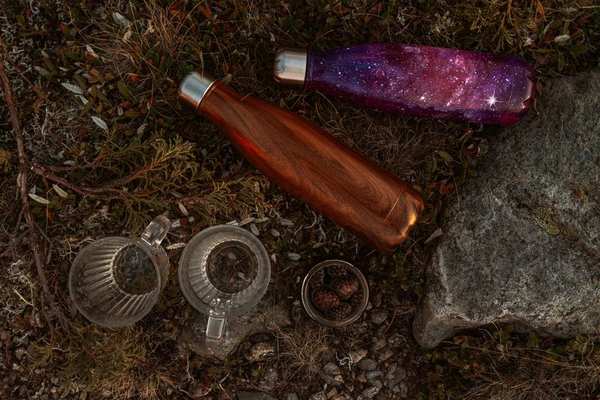
For car camping, colorful enamel-style mugs, patterned picnic blankets, and tidy organizers make a campsite inviting. Judge fashionable camping gear by usefulness first. A mug should be easy to clean, a blanket should tolerate damp ground, and a lantern should provide reliable light. Cute accessories complement rather than replace appropriate shelter, sleep insulation, and weather preparation.
How to Look Coordinated Without Sacrificing Comfort
Begin with a limited palette, such as olive, tan, and rust, then add one brighter accent. That creates a cohesive look without requiring a matching set. Near roads or in low visibility, reflective details or conspicuous colors are more practical than perfectly muted shades.
Layer a moisture-wicking top beneath a fleece when needed and keep weather protection easy to reach. Test everything while wearing your pack; shoulder straps can make a beautiful jacket bunch or pull. Our hiking outfit layering guide offers more combinations to try.
A Realistic Trail-to-Café Outfit
Picture a cool Saturday with a three-mile woodland loop followed by lunch in town. Choose a quick-drying long-sleeve top in dusty rose, flexible dark hiking trousers, comfortable hiking socks, and trail shoes with reliable tread. Pack a fleece for a chilly rest stop and a waterproof shell if rain is possible. A compact but practical daypack holds water, snacks, and the spare layers.
After the walk, brushing dirt from your trousers and changing a damp top does more for your appearance than an expensive matching set. That is the overlooked secret of hiking fashion: comfort helps an outfit look effortless. It also means the same thoughtful wardrobe works on a weekend trail, during travel, or on a casual afternoon outdoors.
In hotter weather, switch to breathable shorts or lightweight trousers and prioritize sun protection. In cold weather, useful insulation matters far more than the color of your fleece.
Where to Spend and Where to Save
Put your budget toward fit and protection first: dependable footwear, a weather-appropriate layer, and a pack that carries essentials comfortably. Personalize the outfit inexpensively through a hat, socks, or neck gaiter. One versatile fleece often delivers more value than several nearly identical statement jackets.
Secondhand outdoor clothing can offer excellent value, but inspect seams, zippers, signs of wear, and waterproof coatings closely. A bargain jacket with failing weather protection is not much of a bargain. Try moving, reaching, and squatting in trousers before buying them instead of judging their shape only while standing still.
Ask yourself three questions before checkout: Will I use this on my actual trails? Can I move naturally in it? Does it work with at least two pieces I own? If not, the appealing color may be doing all the selling. Our beginner hiking essentials checklist helps distinguish genuine needs from tempting extras.
Frequently Asked Questions
Can outdoor gear look stylish and still perform well?
Absolutely. Many reliable outdoor garments come in attractive colors and flattering cuts. Compare their fabric, fit, traction, and weather protection before letting appearance decide.
Are leggings suitable for hiking?
They can be comfortable on well-maintained, moderate trails. For abrasive rock, prickly vegetation, or colder weather, durable hiking trousers may provide better protection and pockets.
Do I need waterproof clothing for every outdoor trip?
Not always. Match your layers to the weather, location, and consequences of getting wet. Pack appropriate rain protection when conditions could change, particularly on exposed or remote routes.
How do I make inexpensive hiking gear look coordinated?
Choose a small color palette and repeat one accent shade. Neutral trousers and a technical top paired with a colorful fleece or backpack can feel intentional without requiring a costly matching collection.
Style That Goes the Distance
The best cute but functional outdoor gear is not necessarily the newest or most photographed. It is what you reach for because it works reliably and still feels like you. Choose the materials and features that suit your adventures, build around colors you enjoy, and let the landscape provide the finishing touch.
