

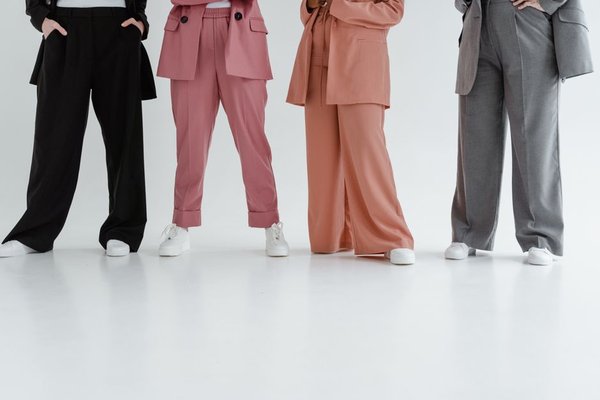
Business casual outfits for women should make getting dressed easier, not turn every morning into a dress-code guessing game. The challenge is that “business casual” means different things across American offices. A finance team may expect tailored trousers and polished shoes, while a creative studio might welcome dark denim and sneakers. Build outfits that look intentional, feel comfortable, and can adapt when the calendar changes.
What Counts as Business Casual for Women?
Business casual sits between formal suiting and everyday casual clothing. Think tailored pants, neat blouses, fine-knit sweaters, office-friendly dresses, practical shoes, and optional structured layers. You do not need a matching suit or heels to look professional.
Start with your employer’s dress policy, then notice how colleagues dress for ordinary days and client meetings. When expectations are unclear, choose slightly more polished pieces at first. A well-fitting blazer can always come off; distressed jeans are harder to make meeting-ready.
Build Your Outfit Around Three Pieces
A simple formula removes uncertainty: choose one polished base, one comfortable coordinating piece, and one finishing detail. For example, tailored navy pants plus a cream sweater become a complete outfit with loafers and a structured tote. Switch the sweater for a blouse and add a blazer when needed.
Tops That Look Professional Without Feeling Stiff
Button-down shirts, opaque blouses, refined knit tops, and lightweight sweaters all work. Cotton poplin feels crisp; fine-gauge knits offer softness without looking like loungewear. Choose necklines and fabrics that stay comfortable when sitting, bending, or reaching across a desk. If a blouse is sheer under office lighting, add a camisole or choose a lined option.
Pants, Skirts, and Dresses
Straight-leg trousers and tapered ankle pants are versatile because they coordinate with flats, boots, and loafers. Wide-leg trousers also work when the hem clears the floor and the waistband stays comfortable while seated. Chinos can suit relaxed offices; dark, clean jeans belong only where denim is permitted.
A knee-length or midi skirt, a tailored shirt dress, or an easy knit dress creates an alternative to pants. Check how the garment moves rather than judging it only in front of a mirror. Sit down, walk, and reach for something before deciding it is work-ready.
Layers That Change the Dressiness
A blazer is a shortcut to professional style, but it is not your only option. A structured cardigan, collarless jacket, or smart knit layer can look equally considered in the right workplace. Keep a neutral outer layer at work if meetings tend to appear with little warning.
Shoes You Can Actually Wear All Day
Loafers, ballet flats, low block heels, ankle boots, and polished Oxfords are reliable choices for office attire women can walk and commute in. Clean minimalist sneakers may be acceptable in casual workplaces, but they are not universally business casual. Prioritize secure fit, grip, and enough room for your toes over heel height.
Business Casual Outfit Ideas for Real Workdays
The Regular Monday
Pair charcoal ankle trousers with a striped button-down shirt, loafers, and small earrings. It looks organized without feeling overdressed for desk work and team check-ins. Rolling the sleeves neatly can make the combination more relaxed.
The Client Presentation
Try a navy blazer over a solid-color blouse with matching or coordinating trousers. Finish with closed-toe flats or low heels. This looks more formal without requiring a full suit, and you can remove the jacket afterward.
The Creative Office
If the policy allows it, wear dark straight-leg jeans without distressing, a fitted knit top, a textured blazer, and leather loafers. The contrast between relaxed denim and tailored layering makes the outfit feel deliberate.
The Long Commute
Choose comfortable pull-on tailored trousers, a breathable blouse, and supportive loafers. Carry a cardigan for aggressive office air conditioning. If your commute involves substantial walking, change from walking shoes into office footwear at your desk.
The Hybrid Video-Call Day
A fine-knit mock-neck top under a blazer looks composed on camera and works with trousers or a midi skirt in the office. Test colors against your camera background; strong patterns can distract more on screen than in person.
Make a Small Wardrobe Work Harder
You do not need dozens of purchases to create varied work outfit ideas. Start with two pairs of trousers, three compatible tops, one blazer or cardigan, one office-friendly dress, and two pairs of shoes. Select a shared palette, perhaps navy, cream, gray, and one accent color, so pieces mix easily.
Before buying anything, lay out five complete outfits from what you own. Photograph the combinations and note missing essentials. If four outfits require the same comfortable black loafers, that is a more useful purchase than another statement blouse.
For related styling inspiration, explore capsule wardrobe for women, how to style a blazer, and comfortable work shoes for women. These topics can help you adapt the same core pieces without rebuilding your closet.
Adapt for Weather and Office Culture
In summer, breathable cotton, linen blends that resist excessive wrinkling, and lighter colors can ease the commute. In winter, layer fine knits under jackets and choose ankle boots with traction. Keep your office’s indoor temperature in mind as much as the outdoor forecast.
Consider occasions, too. An internal workday might welcome a cardigan; a first meeting with a client may call for a blazer. Company culture matters more than universal lists declaring that every sneaker or jean is acceptable.
Small Details That Make Outfits Look Finished
Fit and care often matter more than price. Steam wrinkles, remove loose threads, check hems, and keep footwear clean. A belt, understated necklace, or structured bag can bring together simple separates, but accessories should not compete with the outfit.
Avoid relying on gym leggings, beach flip-flops, heavily distressed denim, or clothes that require constant adjusting unless your workplace explicitly allows them. Business casual is flexible, not synonymous with whatever feels most relaxed.
Frequently Asked Questions
Can women wear jeans for business casual?
Sometimes. Dark, non-distressed jeans may fit a relaxed office’s policy, especially with a blouse and blazer. For stricter workplaces or first-day uncertainty, choose tailored trousers instead.
Are sneakers appropriate for a business casual office?
Clean, understated sneakers are accepted in some offices, particularly creative or technology workplaces. Check the dress code before treating them as a default; loafers or flats are safer when expectations are unclear.
Do business casual outfits require a blazer?
No. A blouse, polished trousers, and neat shoes can be enough. A blazer helps for presentations, cooler offices, and occasions where you want a more formal finish.
Can a dress be business casual?
Yes. Shirt dresses, simple midi dresses, and structured knit dresses are options. Consider coverage, opacity, fit while seated, and footwear when deciding whether a dress suits your office.
A Work Wardrobe That Fits Your Day
The strongest business casual outfits for women are not built around rigid rules or constant shopping. They start with dependable separates, comfortable shoes, and an understanding of where you work. Once those basics are in place, personal touches become easier—and getting ready takes less thought.
